by

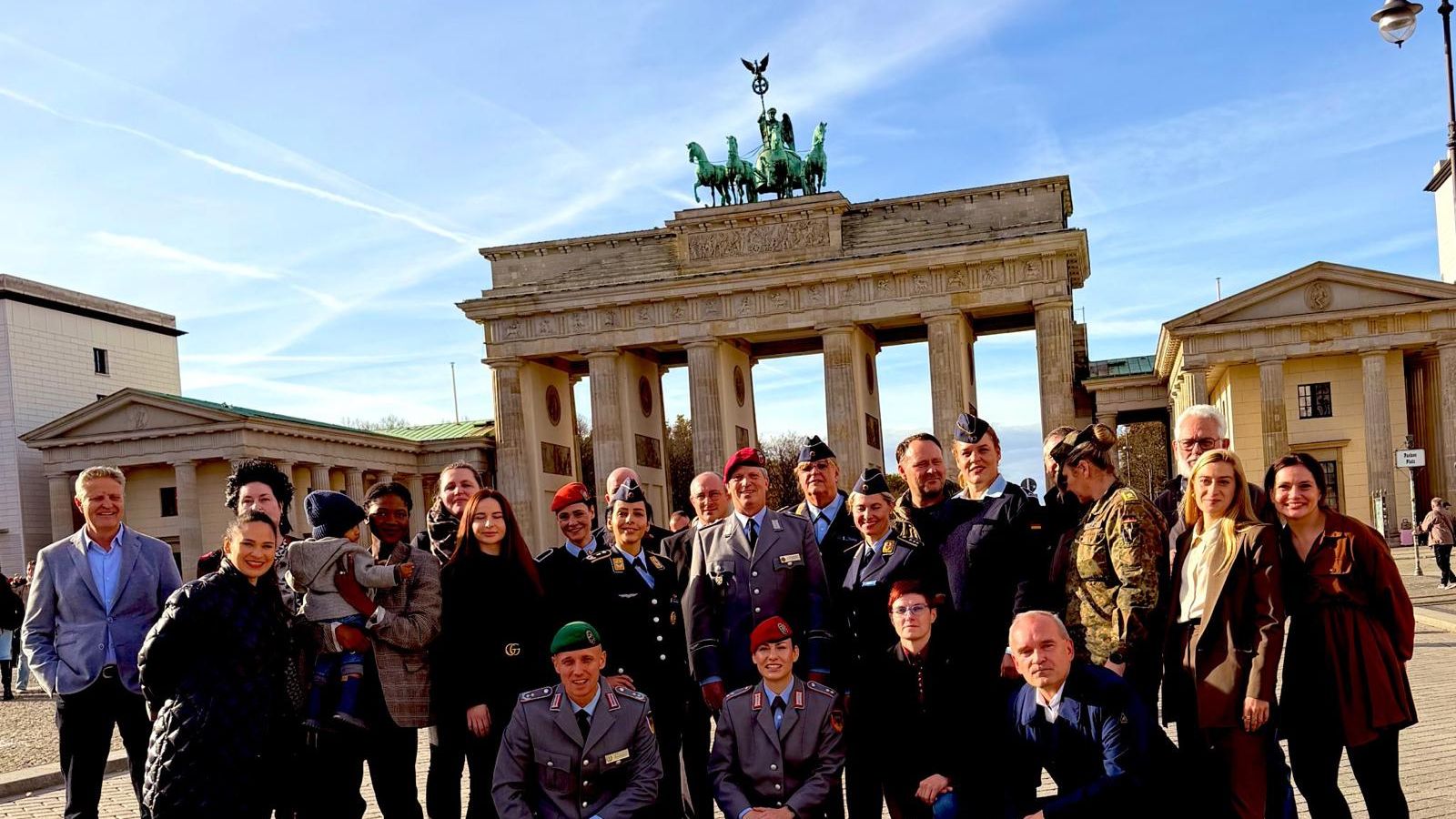

On 4th of November 2025, CESI’s expert commission ‘Security and Defence’ and the eQualPro EU-co-funded conference gathered experts, policymakers, and representatives of the armed forces in Berlin and online to address a vital question: How can gender equality be strengthened in Europe’s military and defence systems?
The day began with a session of the CESI Expert Commission on Security and Defence, chaired by Sebastian Käding (DBwV, Germany), and opened by Klaus Heeger, CESI Secretary General. The discussions focused on national developments in security and defence policy, with interventions from Vice-Presidents of the CESI expert commission: Imke von Bornstaedt Kuepper (VBB-Bund, Germany) and Walter Hirsch (Eurofedop, Austria). Dirk Berger, European Parliament representative presented the EU’s latest defence priorities under the new EU Readiness Plan.
The afternoon eQualPro conference marked 25 years since the landmark European Court of Justice (ECJ) ruling in the case of Tanja Kreil, which opened the way for women to serve in combat roles in the German armed forces.
Marcel Bohnert, retired lieutenant colonel and Deputy Federal Chairman of the German Armed Forces Association (DBwV), reflected on this milestone and the progress achieved since. The ECJ held in its 2000 ‘Tanja Kreil’ ruling that Germany’s blanket exclusion of women from armed roles breached EU equal-treatment law, catalysing full access for women to all Bundeswehr career tracks from 2001 on. Today women serve ‘on equal footing’ in command and combat roles, with very few exceptions.
Further contributions explored how equality and diversity are evolving in defence structures:
• Dominicus Gnielinski (BMVg P II 6, Germany) revisited the impact of the Tanja Kreil ruling as a starting point for wider change in the armed forces and public administration.
• Claudia Schalling (ZinFü, Bundeswehr Leadership and Civic Education Center) shared insights on diversity and inclusion from within the Bundeswehr.
• Marion Böker, Director of the Human Rights and Gender Advisory Service, analysed the overall impact of EU legislation and case-law on gender equality in Germany - and the remaining loopholes.
Klaus Heeger, Secretary General of CESI, concluded: “Gender equality in the armed forces is a question of representation of half of the society. It is a test for our commitment to democracy, inclusion, and human rights. And it is about resilience and readiness for the challenges of tomorrow. The reintroduction of conscription in several EU Member States as well as the EU’s growing emphasis on strategic preparedness require a firm integration of gender equality principles. A successful EU preparedness strategy depends on women’s full participation and non-discrimination.”
Sebastian Käding, member of the German Armed Forces Association (DBwV) and President of CESI’s expert commission ‘Security and Defence’, commented: “As Member States revisit conscription and scale up total defence, equal treatment is not optional: it is integral to recruiting, retaining and promoting talent across the armed forces. The EU gender equality acquis is fully applicable to defence—no carve-outs.”
As repeatedly emphasized during CESI’s European Defence Round-Tables (EDRT), soldiers are citizens in uniform - and their social rights should be protected accordingly.

.png)


Yesterday, the Council adopted a Recommendation on addressing housing exclusion and homelessness, marking another step towards a stronger European response to the housing crisis - a concern especially of young persons and workers across Europe.
Subscribe now and receive newsletters and much more!