

by


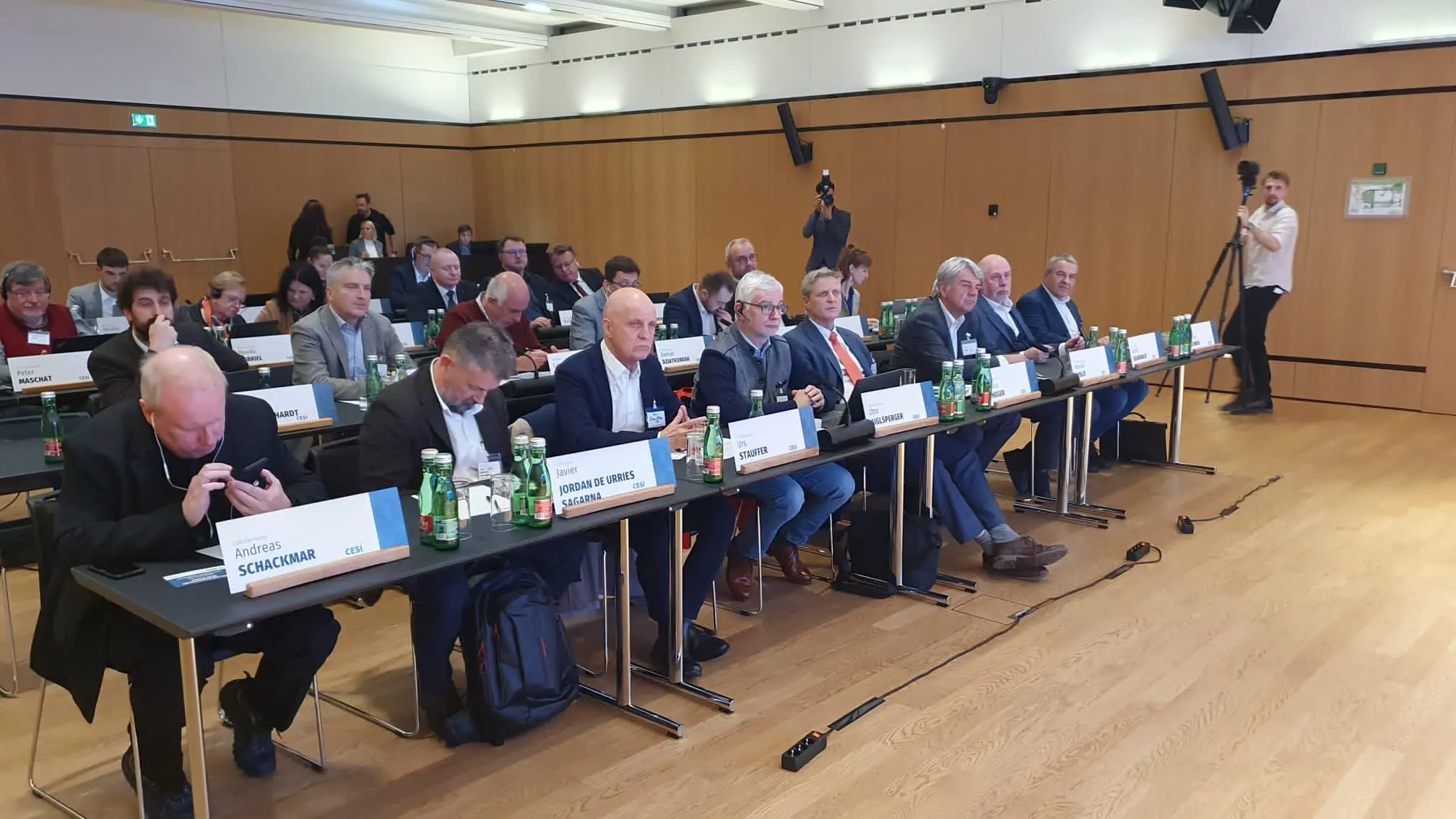

The project conference, co-financed by the European Commission, served to highlight the role that trade unions can play in the integration of refugees as a valuable workforce in understaffed labour markets.
Klaus Heeger, CESI Secretary-General, opened the conference, highlighting the importance of trade unions to secure refugees a safe and active life in their host country. He declared: “Trade unions EU-wide must be supportive in receiving and integrating refugees, especially currently also those fleeing the war in Ukraine. They must engage to help them uphold their access to fundamental rights and human dignity in their host country. As unionists, we need to do our best to ensure a level playing field or rights and services for these newcomers in our societies. Trade unions are essential in this regard.”
CESI members and affiliates discussed with experts from the European Commission and the EU agency Eurofound about EU responses to migration challenges following the Russian aggression against Ukraine. Different policy recommendations were debated, such as one-stop shops, increased funding for integration services, and an improved access to more long-term protection. A representative of the German Federal Employment Agency (BA) showcased showcased a best practice from Germany of public employment services can better contribute to a successful refugee integration into the labour market.
CESI Youth Representative Matthäus Fandrejewski (dbb Jugend) emphasised that refugees can make a significant positive impact in the understaffed labour markets. Many host countries are facing demographic challenges, with aging populations and declining birth rates, and refugees can inject fresh energy into the labour market, helping to balance the demographic shift by supporting economic growth and contributing to social welfare programs, he stressed.
It was found that host countries could address labour shortages while fostering diversity and economic growth if they tapped better the potential and skills of refugees. It was underlined that the diverse skill sets of refugees, their motivation and their ultimate contribution as a workforce can make them an invaluable asset for economic growth. In sum, participants agreed that more inclusive, vibrant, and thriving labour markets that benefit both refugees and the host community are possible if refugees’ potential is adequately recognised and harnessed.
A collection of video clips from the conference are available on CESI’s Youtube channel.

.png)


Yesterday, the Council adopted a Recommendation on addressing housing exclusion and homelessness, marking another step towards a stronger European response to the housing crisis - a concern especially of young persons and workers across Europe.
.png)
In Madrid, on 14 October 2026, the European Confederation of Independent Trade Unions (CESI), together with its Spanish member organisation SATSE, brought together trade union representatives and European stakeholders, including member of the European Parliament Alicia Homs and Eurofound, for a regional conference organised in the framework of the EU co-funded DIALOGUE+ project.

In its response to a European Commission consultation on the activation of people facing barriers to employment, CESI calls for measures that prioritise quality jobs, adequate social protection and performing public services to help people access jobs.
Subscribe now and receive newsletters and much more!