
.png)

.png)
.png)
.png)
.png)
.png)

.png)
.png)
.png)
.png)
.png)
.png)







.png)
.png)



.png)

.jpg)
.jpg)
.jpg)

.jpg)
.jpg)
.jpg)



.jpg)


.png)


.png)
.jpg)


























Main news
Events

2026-10-15
2026-10-15
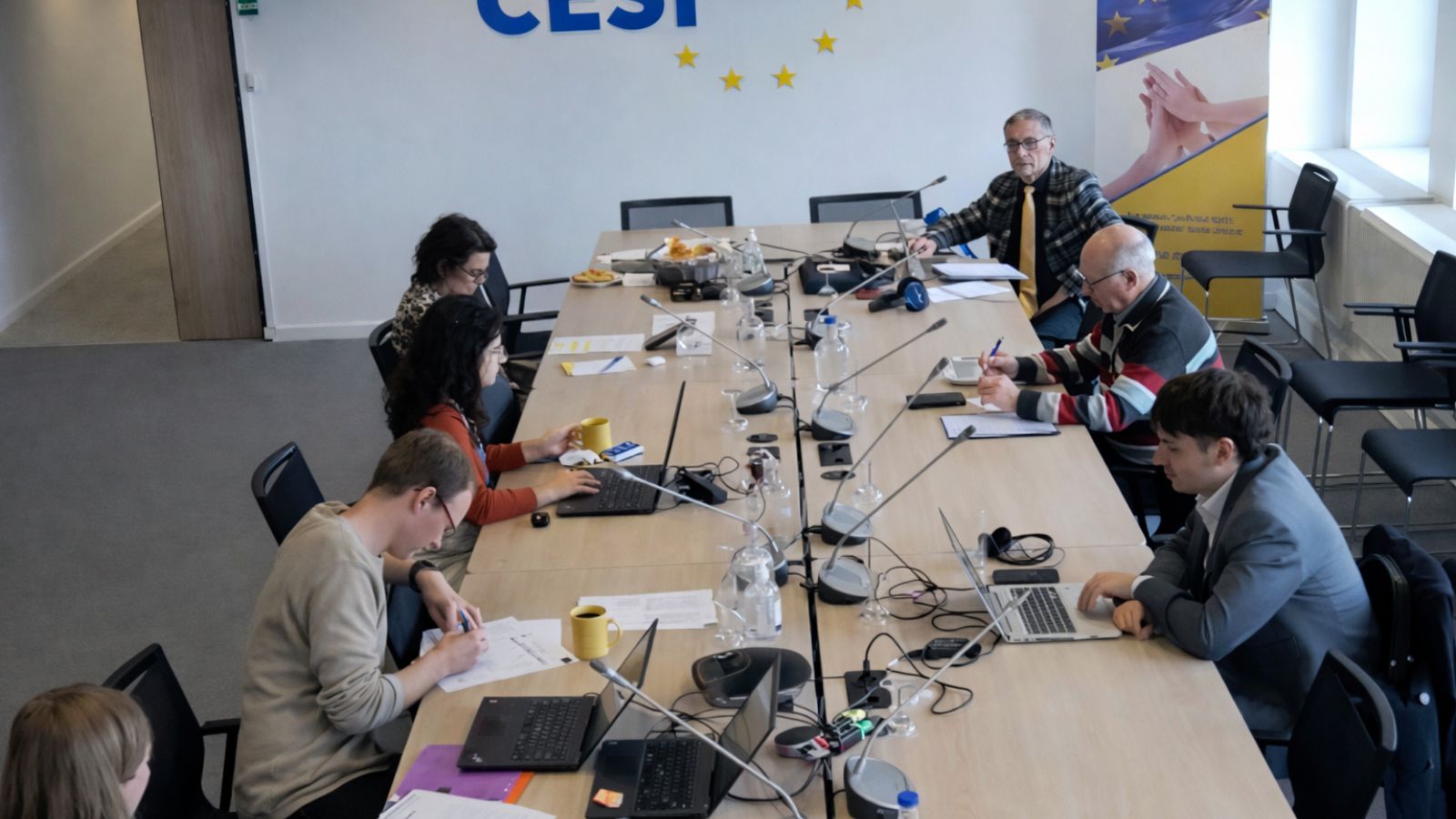
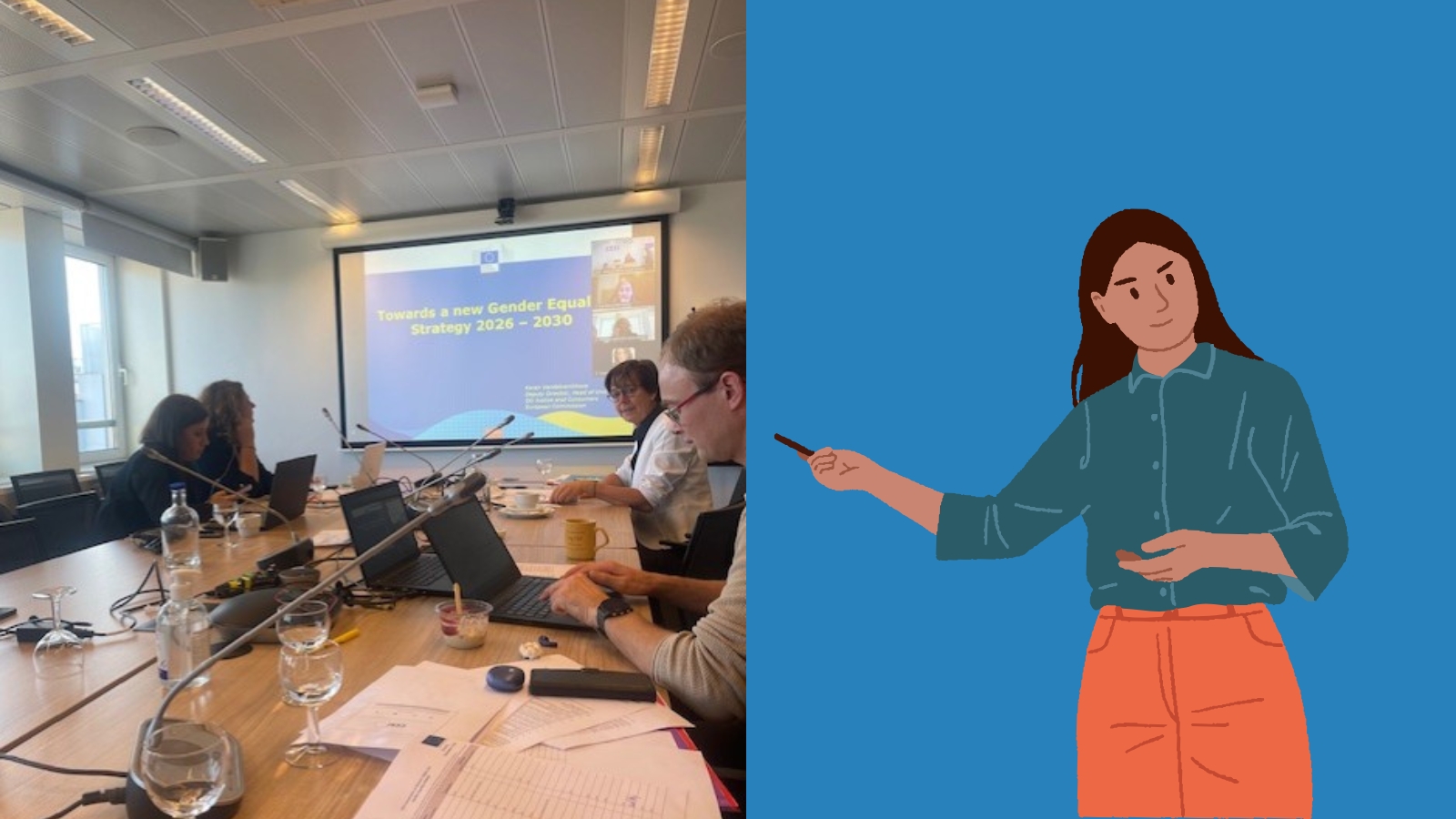
In Madrid, on 14 October 2026, the European Confederation of Independent Trade Unions (CESI), together with its Spanish member organisation SATSE, brought together trade union representatives and European stakeholders, including member of the European Parliament Alicia Homs and Eurofound, for a regional conference organised in the framework of the EU co-funded DIALOGUE+ project.
read more
Main news
2026-10-09
2026-10-09
In its response to a European Commission consultation on the activation of people facing barriers to employment, CESI calls for measures that prioritise quality jobs, adequate social protection and performing public services to help people access jobs.
read more
Main news
2026-10-09
2026-10-09
Today, on World Post Day, CESI pays tribute to the postal and delivery workers who keep people, businesses and communities connected.
read more
Main news
2026-10-09
2026-10-06
Last week Friday, CESI and its Romain member 'Union of Free Trade Unions in Pre-University Education of Iași' (USLIP Iași) brought together trade union representatives, policymakers, social partners and European experts to discuss the implementation of the European Pillar of Social Rights in the Romanian education sector.
read more
Main news
2026-10-06
2026-10-08
Today, the European Parliament adopted report calling for strong protection to prevent and reduce psychosocial risks at work, including stress, burnout, and associated physical and mental health disorders.
read more
Main news
2026-10-05
2026-10-05
On UNESCO’s World Teachers’ Day 2026, Luc Viehé, President of the CESI's Expert Commission ‘Education’, calls for renewed attention to teachers’ working conditions and to the place of education in national and European policy priorities.
read more
Main news
2026-09-28
2026-09-28
In its contribution to the European Commission’s second-phase consultation, CESI calls for a Quality Jobs Act that strengthens workers’ rights, workplace safety, enforcement and social dialogue.
read more
Main news
2026-09-23
2026-09-23
On September 22 and 23, CESI hosted a visit of a delegation comprising the leadership of its Spanish member organisation CSIF in Brussels for trade union policy advocacy meetings to implement the European Pillar of Social Rights in the Spanish country context.
read more
Main news
2026-09-22
2026-09-23
On October 23, CESI will hold an internal capacity building event in Belgrade on working conditions and trade union right in the health care sectors of Serbia and the Balkan region.
read more
Main news
2026-09-18
2026-09-24
Yesterday, the European Parliament adopted its long awaited own-initiative report on an EU health workforce crisis plan to ensure sustainable employment and working conditions in the healthcare sector in Europe. CESI supports its recommendations.
read more
Main news
2026-09-17
2026-09-21
CESI calls for meaningful and portable training entitlements for individual learning accounts in the EU that supplement employers’ obligations and collective rights, backed by paid training time, sustainable funding and trade union involvement.
read more
Events
Main news
2026-09-17
2026-09-21
Digitalisation must be done with workers, not to workers. That was one of the central messages emerging from yesterday’s CESI@noon on “Europe’s digital transition: The role of workers in advancing businesses’ digitalisation”, organised by CESI - Independent Trade Unions in cooperation with the University of St.Gallen (FAA-HSG).
read more
Main news
2026-09-16
2026-09-16
CESI welcomes the renewed commitment to quality jobs, social rights, housing and care, in today's EU State of the Union address by European Commission President von der Leyen, while stressing that Europe’s economic, technological and security ambitions must be supported by investment in workers, public services and social dialogue.
read more
Main news
2026-09-15
2026-09-16
Today, the European Commission presented its long-awaited Fair Labour Mobility Package, proposing new measures to make it easier for workers to exercise their rights across borders, strengthen the enforcement of EU labour law and improve the portability and recognition of skills and qualifications.
read more
Main news
2026-09-10
2026-09-11
Yesterday, the European Commission published a proposal for a new EU Affordable Housing Act to set an EU framework for interventions in housing-stress areas.
read more
Main news
2026-09-09
2026-09-10
CESI welcomes the European Commission’s proposal for a Public Procurement Act, particularly its shift away from price-only awards and its recognition of quality jobs, collective bargaining and fair working conditions.
read more
Main news
2026-09-08
2026-09-10
On September 8 the OECD published the results of the PISA study edition of 2025. For CESI, they are a wake.up call for more investment in teachers and education.
read more
Main news
2026-09-08
2026-09-08
In a consultation position on the European Commission’s planned Education Package 2040 Roadmap, CESI calls for measures and support for sustained public investment, attractive teaching careers, genuine social dialogue and a human-centred approach to digitalisation as foundations for quality education for all.
read more
Main news
2026-09-02
2026-09-07
Today, the European Parliament Committee on Employment and Social Affairs backed a draft initiative calling on the European Commission to investigate the scale of the phenomenon and to propose legislative requirements for preventing and addressing psychosocial risks at work. CESI supports the report.
read more
Events
2026-09-01
2026-08-25
Register now for the CESI@noon on Europe’s digital transition: The role of workers in advancing businesses digitalisation
read more
Main news
Campaign
2026-08-23
2026-08-26
CESI has again been selected as an Official Campaign Partner of the European Agency for Safety and Health at Work (EU-OSHA), joining its 2026–2028 Healthy Workplaces Campaign themed 'Together for Mental Health at Work'. The partnership will support CESI’s work to promote the prevention of psychosocial risks and mentally healthy workplaces through awareness-raising, exchange of good practices and cooperation between workers, their representatives and employers.
read more
Main news
2026-07-27
2026-08-26
CESI welcomes the European Commission’s renewed commitment to the European Pillar of Social Rights and its emphasis on implementation and enforcement. As Europe addresses major economic and industrial challenges, strengthening competitiveness must go hand in hand with protecting workers’ rights and ensuring that existing EU social and labour rules work effectively in practice.
read more
Main news
2026-07-27
2026-07-27
EU’s 2026 wildfire season intensified rapidly since late June, with significant incidents recorded in Portugal, France, Spain, Croatia, Germany and the United Kingdom. By 26 July, the European Forest Fire Information System (EFFIS) had mapped approximately 344,580 hectares of burned land across the European Union in 2026, of which 147,026 hectares were recorded during the preceding week alone, highlighting the rapid escalation of the crisis.
read more
Main news
2026-07-26
2026-07-27
As part of a social partner consultation, CESI calls for an ambitious EU Teachers Agenda that stresses that quality education requires quality employment and working conditions for teachers, along with sufficient investments in educational facilities and equipment.
read more
Main news
2026-07-23
2026-07-23
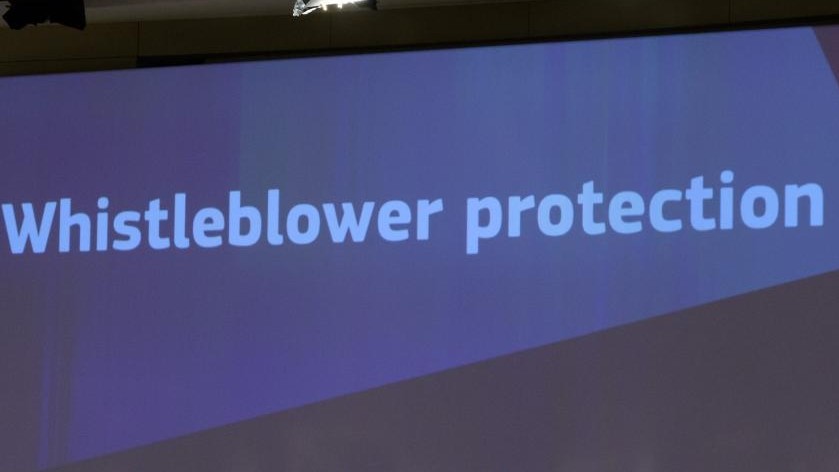
As part of an ongoing consultation by the European Commission, CESI calls for a more comprehensive implementation of the EU Whistleblower Directive 2019/1937.
read more
Main news
2026-07-15
2026-07-14
On July 15 2026, as the world marks the United Nations' World Youth Skills Day, CESI turns attention to its theme this year, 'Skills for a Shared Future'.
read more
Main news
2026-07-15
2026-07-15
CESI Youth has contributed to the European Commission’s public consultation on the future EU Youth Strategy, calling for an inclusive approach that ensures that all young workers and their trade unions have a meaningful role in shaping Europe's future.
read more
Main news
2026-07-13
2026-07-13
CESI stands with all those protecting Europe and all those affected.
read more
Main news
2026-07-08
2026-07-16
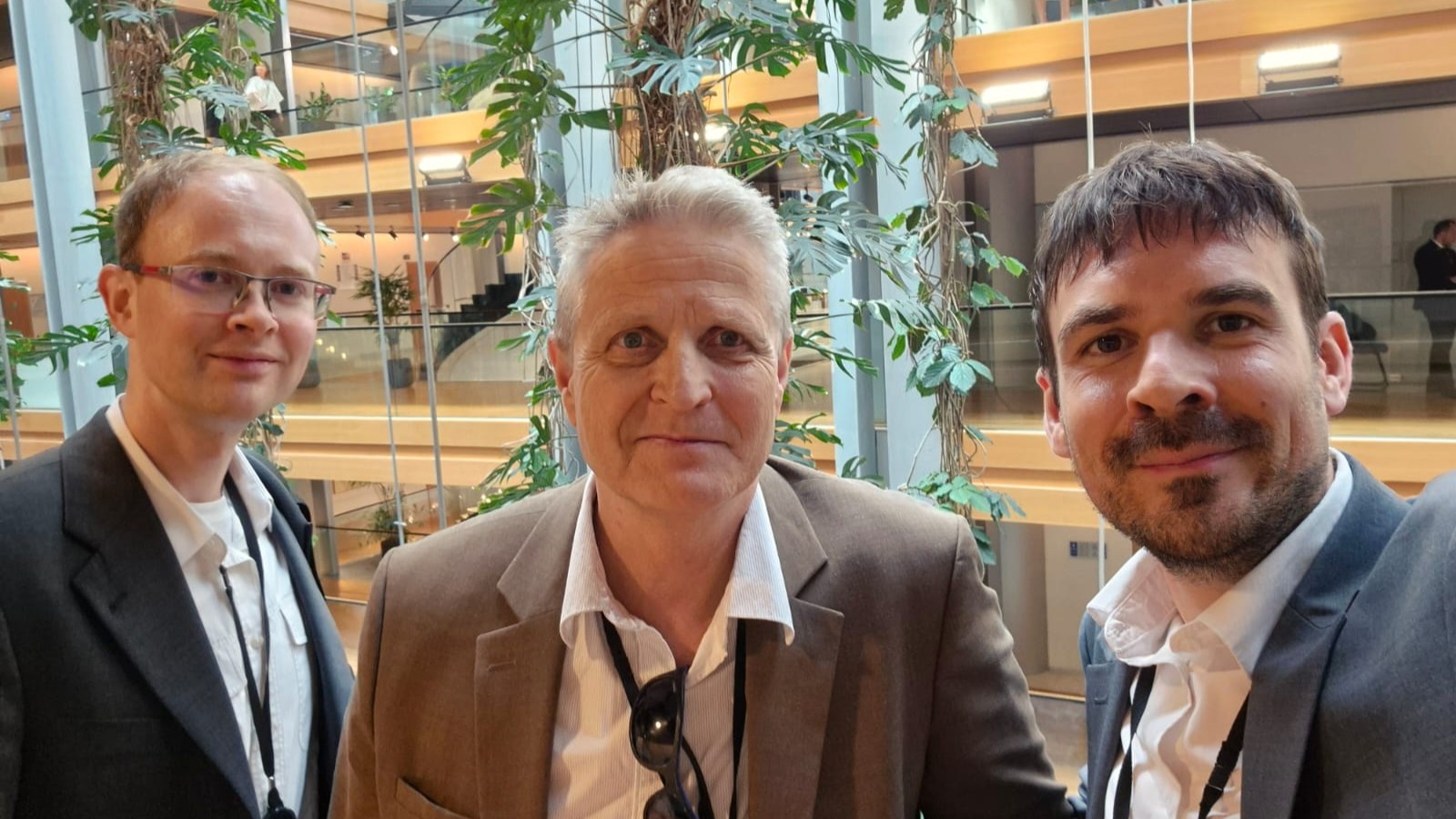
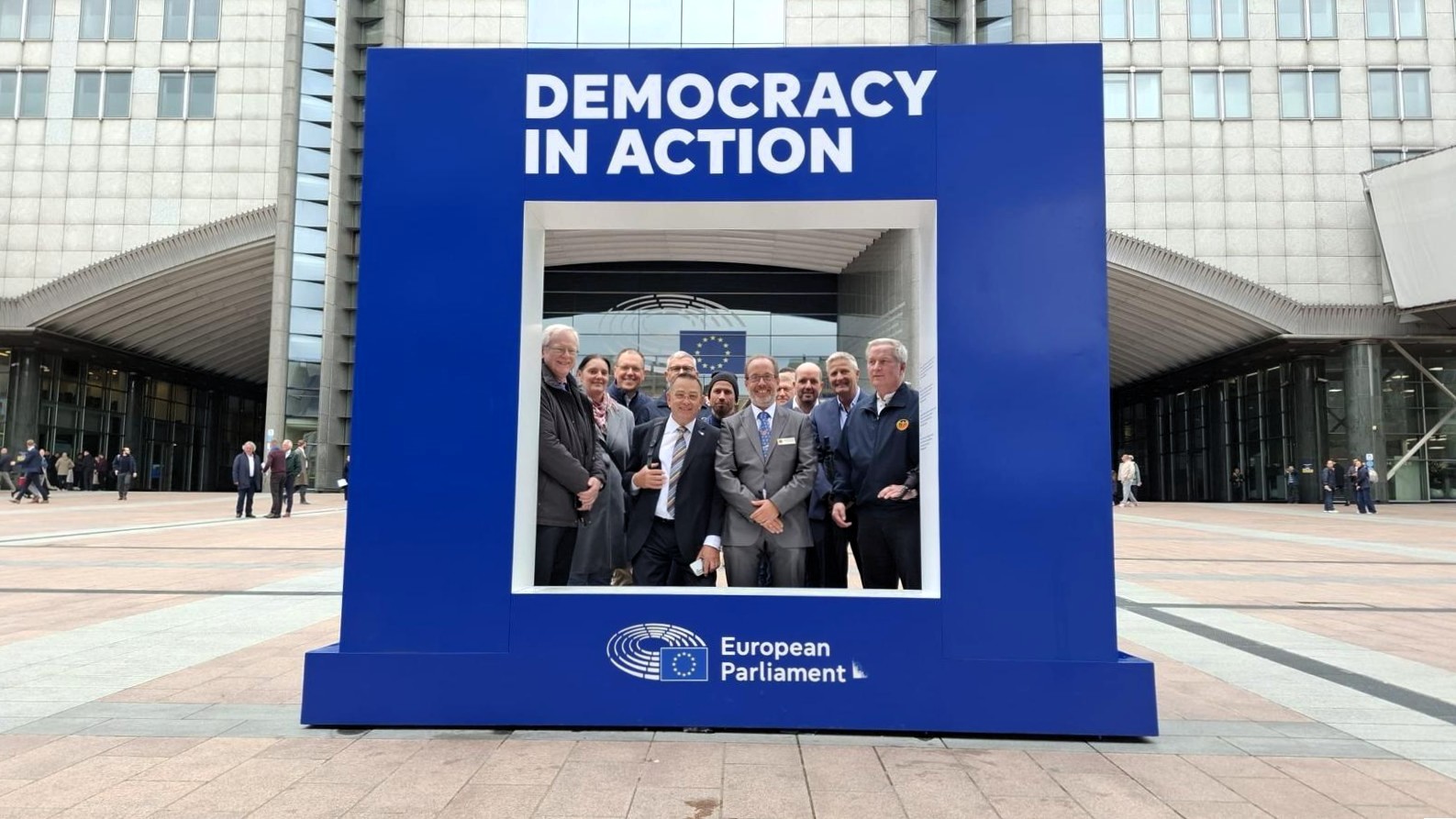
This week, CESI Secretary General Klaus Heeger travelled to Strasbourg for lobby visits in the context of the last European Parliament plenary session before the summer recess.
read more
Main news
Events
2026-06-30
2026-06-30
The sixth edition of Summer Days brought together policymakers, trade unions, employers, researchers and EU institutions to discuss one of the defining policy questions for the current European mandate: how Europe can deliver quality jobs while strengthening competitiveness.
read more
Main news
2026-06-23
2026-07-02
Yesterday, CESI Secretary General Klaus Heeger spoke at an Implementation Dialogue of the European Commission on a forthcoming EU Delivery Act, representing CESI as a European trade union umbrella organisation and social partner for postal services.
read more
Main news
2026-06-23
2026-06-22
On June 23, World Public Service Day 2026, CESI pays tribute to the millions of public service workers who keep our societies functioning every day.
read more
Main news
2026-06-11
2026-06-11
A critical reading of this year's European Semester Spring Package.
read more
Main news
2026-06-10
2026-06-10
CESI has adopted a new position paper to sketch its priorities for the forthcoming EU Fair Labour Mobility Package.
read more
Main news
2026-06-10
2026-06-10
The Presidium of CESI has adopted a new position paper outlining CESI's priorities for the EU’s next Multiannual Financial Framework (MFF) for the period 2028–2034.
read more
Main news
2026-06-03
2026-06-16
This week, two events underline the urgent need for a strong and coordinated EU strategy for health care workers: Reimagining Europe’s Health Systems Summit 2026 and the adoption at committee level of a European Parliament report on an EU health workforce crisis plan.
read more
Main news
2026-05-29
2026-05-29
Fismic-Confsal, CESI member organisation, has joined forces with industry partners in a joint statement coordinated by ACEA calling for urgent EU action to protect Europe’s commercial vehicle sector.
read more
Main news
2026-05-18
2026-05-18
On the occasion of European Mental Health Week 2026, CESI holds an edition of its CESI@noon luchtime debate series on June 8 with MEP Estelle Ceulemans to discuss an upcoming European Parliament legislative initiative report on psychosocial risks at work. Registations are now open.
read more
Main news
2026-05-18
2026-05-18
On Thursday, May 7, the BeWell project final conference took place in Brussels, marking the conclusion of the four-year project, in which CESI was a partner.
read more
Main news
2026-05-13
2026-05-13
Today, the Court of Justice of the EU ruled that Italy’s system for recruiting school administrative, technical and auxiliary staff (ATA) breaches EU legislation on fixed-term work, notably Directive 1999/70/EC.
read more
Main news
2026-05-12
2026-05-13
Today, on the occasion of International Nurses’ Day 2026, CESI organised a high-level conference at the European Parliament on 'Strengthening the nursing workforce in the European Health Union: professional competence, autonomy and sustainable care systems'.
read more
Main news
2026-05-07
2026-06-22
Today and yesterday, CESI held a capacity building session on the national level implementation of the European Pillar of Social Rights with representatives from the German Armed Forces Association (DBwV).
read more
Main news
2026-05-06
2026-05-15
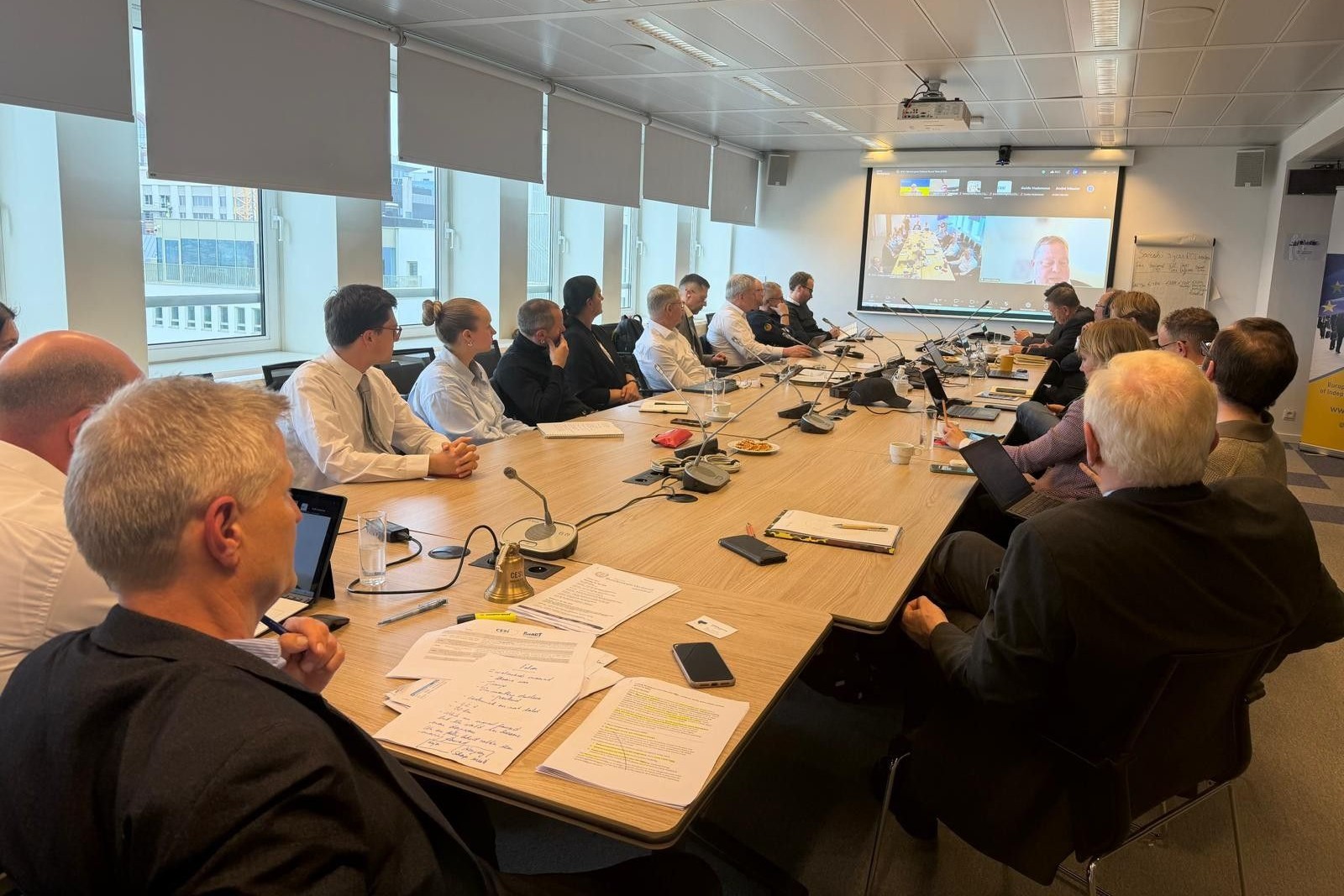
Yesterday, CESI held its 9th European Defence Round Table (EDRT), bringing together trade unions, military personnel associations, civil society organisations and EU policy voices to discuss four years of war in Ukraine and the evolution of EU defence policy since February 2022.
read more
Events
2026-04-30
2026-04-30
Join policymakers, representatives from public authorities, social partners and the scientific community to discuss the upcoming Quality Jobs Act
read more
Campaign
Main news
2026-04-23
2026-04-23
The publication is designed to support trade unions in making practical use of the European Pillar of Social Rights (EPSR).
read more
Main news
2026-04-22
2026-04-23
Today, CESI held a successful CESI@noon lunchtime debate on 'Artificial intelligence and algorithmic management at work'.
read more
Main news
2026-04-22
2026-04-23
On May 5, CESI will hold its 9th European Defence Roundtable (EDRT) event. Registration is now possible.
read more
Main news
2026-04-16
2026-04-16
A joint statement of CESI and its Hungarian member trade union MKKSz on the recent elections in Hungary.
read more
Main news
2026-04-15
2026-06-22
Today, the CESI's statutory members' Commission on Employment and Social Affairs met to discuss a series of worker rights issues under the European Pillar of Social Rights
read more
Main news
2026-04-15
2026-05-11
Yesterday, CESI held a breakfast event in the European Parliament, hosted by MEP Dennnis Radtke, on employment challenges in public administrations in Europe.
read more
Main news
2026-04-13
2026-04-13
The results from Budapest yesterday evening were striking in their clarity. A comment by CESI Secretary General Klaus Heeger.
read more
Events
2026-03-31
2026-03-31
You are warmly invited to attend an honorary conference on International Nurses’ Day on 12 May 2026 at the European Parliament headquarters in Brussels!
read more
Events
2026-03-31
2026-03-31
The CESI@noon meeting will examine the EU’s new wildfire management approach and its impact on frontline workers.
read more
Events
Main news
2026-03-30
2026-03-31
Register now for the next CESI@noon edition that will take place on April 22 on the topic of AI at work.
read more
Main news
2026-03-26
2026-05-21
Today, CESI's Expert Commission convened to call for sufficient investments in education and the teaching profession across Europe.
read more
Main news
2026-03-25
2026-03-25
Today, the European Commission launched a new Strategy on Integrated Wildfire Risk Management – a vitally necessary initiative to adapt to climate change threats and recurring and increasing cases of wildfires in Europe, especially during summer months.
read more
Main news
2026-03-20
2026-03-20
What did the latest European Summit on competitiveness really deliver?
read more
Main news
2026-03-08
2026-03-08
On 8 March, CESI joins the global community in marking the annual International Women’s Day.
read more
Main news
2026-03-06
2026-03-06
The EU moves to accelerate industrial investment with new Industrial Accelerator Act.
read more
Events
2026-03-05
2026-03-05
On 14 April 2026, CESI will bring together EU institutions and social partners to discuss employment challenges in public administrations in the framework of its EU co-funded PillACT project.
read more
Main news
2026-03-05
2026-03-05
CESI published its priorities for a planned new EU Delivery Act, as part of a public consultation by the European Commission.
read more
Main news
2026-03-03
2026-03-03
A joint statement of the European Sunday Alliance on the 2026 European Day for a Work-free Sunday, celebrated on March 3.
read more
Main news
2026-02-25
2026-03-01
CESI published a new consultation contribution of CESI Youth on a European Skills Portability Initiative.
read more
Main news
2026-02-18
2026-03-01
As part of a social partner consultation, CESI published a new European VET Strategy
read more
CESI Youth
Main news
2026-02-05
2026-02-05
CESI Youth has adopted a new position on the recently published European Affordable Housing Plan.
read more
Main news
Events
2026-01-30
2026-02-03
At CESI’s eQualPRO event in Athens, stakeholders exchanged on how digitalisation and artificial intelligence are transforming civil protection services and how social dialogue can help ensure fair, inclusive and future-ready workplaces.
read more
Main news
2026-01-29
2026-01-29
As the European Commission consults on the scope and direction of a new EU Quality Jobs Act, CESI stresses that new measures must bring tangible improvements for workers in Europe, reconciling decent jobs with boosted competitiveness of firms.
read more
Main news
CESI Youth
2026-01-28
2026-01-29
Today, CESI Youth spoke at a Euronews debate on ‘Building the Future Together: China-Europe Youth Exchange and Dialogue’.
read more
Main news
2026-01-27
2026-01-27
As the European Commission consults on a revision of EU public procurement rules, CESI stresses that mandatory social safeguards are needed at the EU level to prevent social dumping for workers through public contracts in Europe.
read more
Main news
Events
2026-01-18
2026-02-03
CESI organised a conference in Luxembourg in the framework of eQualPRO, under the title “Equality at work in Europe: honouring the past, shaping the present, building the future.”
read more
Main news
Events
2026-01-15
2026-01-15
As rents and real estate prices continue to skyrock, CESI Youth held a CESI@noon lunchtime debate on possible EU measures for more affordable housing.
read more
Main news
2026-01-14
2026-01-15
CESI urges a consideration of the heath & safety for firefighters in the current revision of the Directive Carcinogens Directive 2004/37/EC.
read more
Main news
2025-12-17
2025-12-17
The EU’s Affordable Housing Plan is a first step towards tackling the housing crisis, which disproportionately affects young workers across Europe.
read more
Main news
Events
2025-12-15
2025-12-15
CESI, with the support of its Spanish member CSIF, organised a conference in Madrid to discuss EU gender equality policies and their implementation in Spain.
read more
Main news
2025-12-12
2025-12-12
As a proud member of the European Movement International (EMI), CESI fully supports the urgent call to defend democracy, uphold fundamental rights and the rule of law, and strengthen the EU’s capacity to act in the face of geopolitical challenges.
read more
Main news
2025-12-11
2025-12-11
A responsible EU Automotive Package under the Green Deal is needed to safeguard jobs, industry and Europe’s competitiveness.
read more
Main news
Events
2025-12-08
2025-12-15
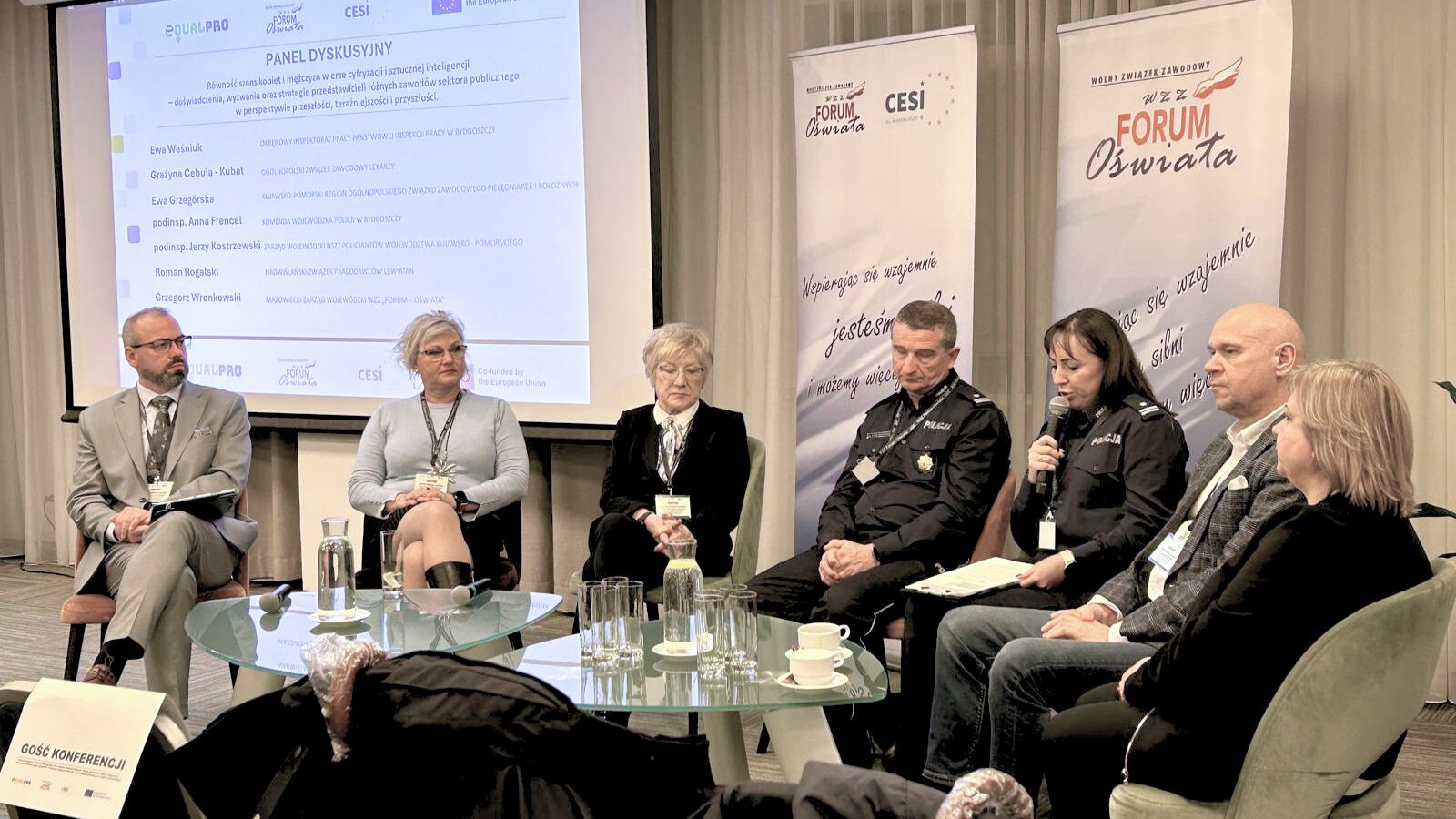
CESI organised a national conference in Poland under the eQualPRO project, focusing on gender equality in the context of digitalisation and artificial intelligence, with the support of its Polish member WZZ.
read more
Main news
2025-12-04
2025-12-04
CESI welcomes the Quality Jobs Roadmap and calls for binding action and tough enforcement to turn it into real gains for workers.
read more
Campaign
2025-12-01
2026-01-12
In the AI era, gender equality at work will not happen by default—it requires transparency, regulation and strong trade union involvement.
read more
Main news
2025-12-01
2025-12-12
CESI thanks Matthäus Fandrejewski for twelve years of dedicated leadership of CESI Youth and welcomes Antonello Pietrangeli as its new Youth Representative, opening a new chapter for youth representation in CESI.
read more
Main news
2025-12-01
2025-12-02
CESI member organisation CSIF has secured a retroactive 2025 pay rise for Spain’s public-sector workers and a multi-year wage deal through 2028. The agreement totals an 11.4% increase and includes wider improvements to working conditions and public services.
read more
Main news
2025-11-27
2025-12-01
The Italian metal workers trade union FISMIC-CONF.S.A.L. has joined CESI.
read more
Main news
2025-11-25
2025-11-25
On 25 November, CESI joins organisations worldwide in marking the annual International Day for the Elimination of Violence against Women.
read more
Main news
Events
2025-11-21
2025-11-21
At a high-level hearing organised by the European Commission (DG EMPL and DG DEFIS), CESI presented its views on the application of the Working Time Directive (WTD) to military personnel across the European Union.
read more
Main news
2025-11-20
2025-11-28
According to CESI, the newly presented EU Military Mobility Package needs to be deployed together with military and civilian staff in the armed forces.
read more
Main news
2025-11-20
2025-11-20
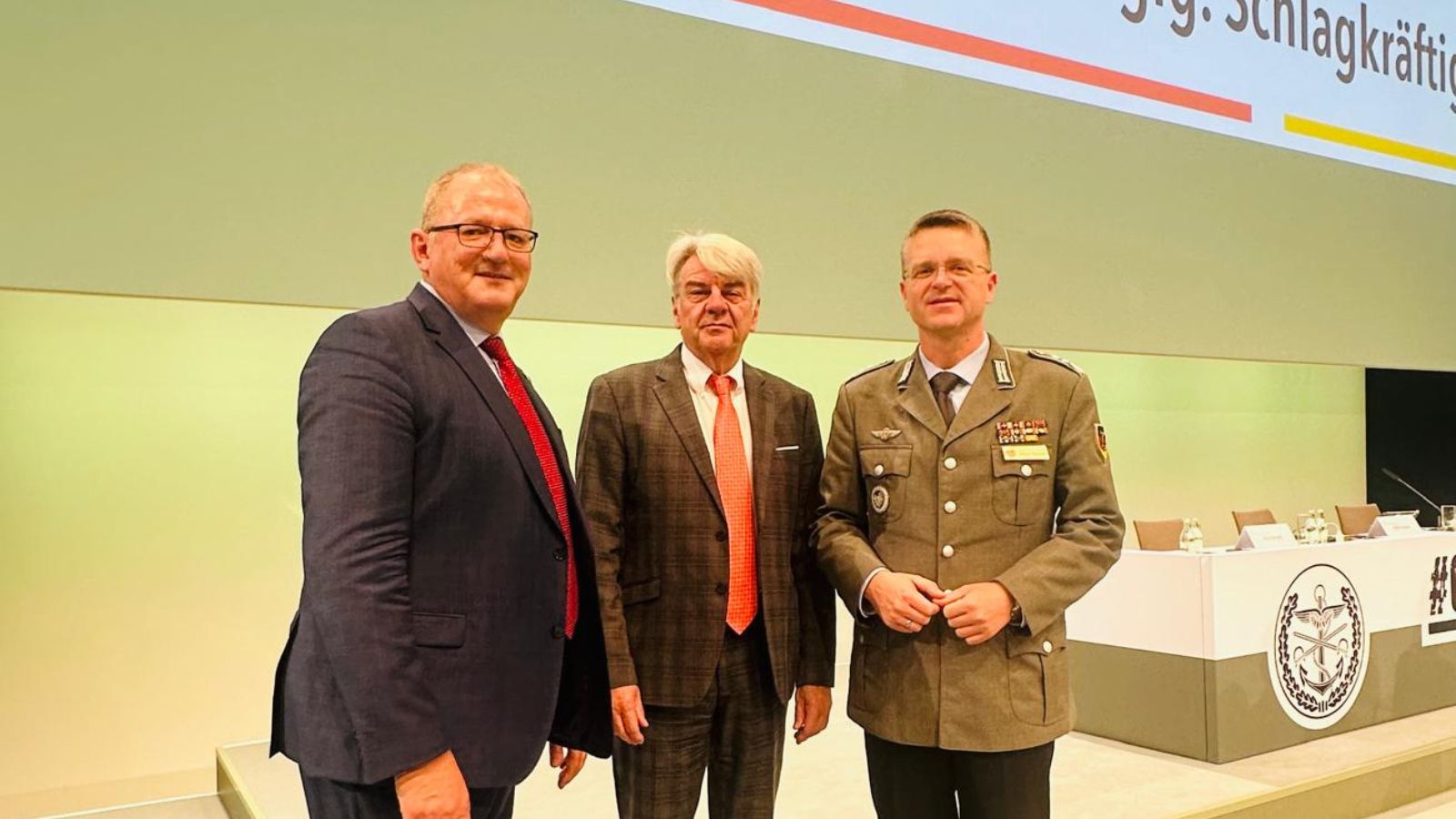
At the re-election of André Wüstner, the President of CESI highlighted the strong CESI–DBwV partnership and stressed that Europe must strengthen its defence capabilities without undermining social standards or the welfare state.
read more
Events
Main news
2025-11-19
2025-11-25
Yesterday, CESI held a CESI@noon debate on the European Parliament's forthcoming own-initaitive report on an EU health workforce crisis plan.
read more
Main news
2025-11-17
2025-11-17
By upholding the Minimum Wages Directive, the CJEU has set a clear signal: fair wages and strong collective bargaining are central to Europe’s social future. The judgment empowers governments to lift wage floors and tackle in-work poverty with renewed confidence.
read more
Main news
2025-11-17
2025-11-17
On Equal Pay Day 2025, CESI recalls that the gender pay gap in the EU still stands at an unacceptable 12%.
read more
Events
Main news
2025-11-13
2025-11-13
On 4 November 2025, CESI’s Security and Defence Commission and the eQualPro conference brought together experts in Berlin to discuss how to strengthen gender equality in Europe’s armed forces.
read more
Main news
Europe Academy project
2025-11-12
2025-11-23
CESI's Activer project closed with the adoption of a new position paper on trade union priorities for successful active labour market policies.
read more
Main news
2025-11-12
2025-11-23
At its last meeting of the year, CESI's Presidium yesterday adopted a new position on AI at work.
read more
Main news
2025-11-11
2025-11-11
Brussels, 11 November 2025 — CESI welcomes today’s Grand Chamber judgment of the Court of Justice of the European Union confirming the validity of the EU Directive on Adequate Minimum Wages.
read more
Main news
2025-11-09
2025-12-18
On November 5, the newly established CESI Seniors held their constitutive meeting.
read more
Main news
2025-11-06
2026-01-03
Yesterday, CESI's Commissions on Employment and Social Affairs and on Women's Rights and Gender Equality convened to review EU social and gender equality policies ahead of the new year 2026.
read more
.png)
Trade unions demand better healthcare working conditions at Dialogue+ conference in Madrid

Rights-based measures needed to remove barriers to access employment
.png)
World Post Day 2026: Reliable services need decent jobs for delivery workers
.png)
PillAct project: Placing the Pillar of Social Rights in the Romanian education sector
.png)
European Parliament pushes for stronger EU rules on psychosocial risks at work
.png)
World Teachers' Day 2026: Education must remain EU’s absolute priority
.png)
Ambitious EU Quality Jobs Act needed
CSIF visits CESI for trade union policy advocacy on the European Pillar of Social Rights
.png)
Upcoming: CESI conference on working conditions in the health care sectors in the Balkans
.png)
Health workforce crisis plan: EU should recruit 1 million workers by 2034
.png)
Individual learning accounts need to be enforceable and adequately funded
.png)
CESI@noon on Europe’s digital transition: The role of workers in advancing businesses’ digitalisation
.png)
2026 SOTEU: Social commitments must match economic & security ambitions
.png)
CESI welcomes new EU Fair Labour Mobility Package and calls for worker-centred implementation
EU Affordable Housing Act: A much needed building block for a stronger housing EU policy
New EU Public Procurement Act proposal moves towards quality but needs stronger social safeguards
PISA 2025 results: A wake-up call for more investment in teachers and education
CESI calls for investment in teachers and public education in Education Package 2040
CESI supports European Parliament Committee request for impact assessment and improved legislation on psychosocial risks at work
CESI@noon The role of workers in advancing businesses digitalisation
CESI renews partnership with EU-OSHA for Healthy Workplaces Campaign on mental health
CESI welcomes renewed commitment to implementing the European Pillar of Social Rights
.png)
Europe's biggest wildfires send a clear message for preparedness: we must invest in firefighting capacity
.png)
Towards an ambitious EU Teachers Agenda
Better implementation of the Whistleblower Directive needed
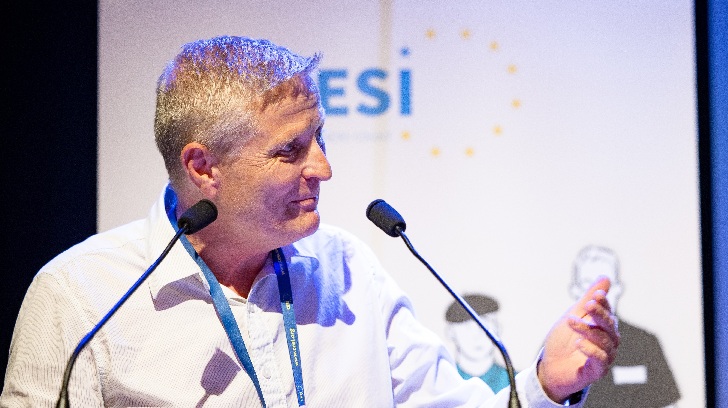
Heading to the summer break
CESI Youth celebrates the 2026 UN World Youth Skills Day
EU Youth Strategy post-2027 must be inclusive for the participation of young workers
2026 European heat waves and wildfires: Support statement by CESI for all those affected
Lobby visit to the European Parliament in Strasbourg
.png)
Summer Days 2026: Quality Jobs, Competitiveness and Europe's Social Contract
CESI speaks at Implementation Dialogue of the European Commission on fair postal and parcel delivery regulation
World Public Service Day 2026: Strong public services are the foundation of EU’s future
.jpg)
European Semester Spring Package: Competitiveness and strategic autonomy should not be built on the back of Social Europe
.jpg)
CESI adopts position on the forthcoming Fair Labour Mobility Package
New position on the future EU budget: A strong social dimension for the MFF 2028–2034
EU health policy in the spotlight: Strengthen resilient health care systems and staff in Europe
.jpg)
Safeguarding Europe’s commercial vehicle sector
.jpg)
Upcoming on June 8: CESI@noon on psychosocial risks at work
.jpg)
BeWell project final conference: Upskilling Europe's health care workers
EU Court of Justice finds Italy in breach of EU law when using fixed-term contracts
.jpg)
CESI event in the European Parliament: Strengthening Europe’s nursing workforce
Capacity building on the Pillar of Social Rights in the context of German social policy making
EDRT on people-centred EU defence readiness
Summer Days 2026 From the Pillar to a Quality Jobs Act
.jpg)
Using the EU to Advance Social Rights in Your Country: A Toolkit
CESI@noon on algorithmic management at work
.jpg)
Upcoming on May 5: 9th CESI European Defence Roundtable (EDRT)
CESI and MKKSz Joint Statement
CESI Employment Commission meets to discuss worker rights issues under the European Pillar of Social Rights
CESI European Parliament breakfast event: Spotlight on challenges in public administrations
Hungary votes for Europe
.jpg)
Strengthening the nursing workforce in the European Health Union

CESI@noon on wildfire management

Upcoming on April 22: CESI@noon on AI at work
CESI calls for sufficient investments in education and teachers

Managing wildfires: CESI supports new EU strategy

One Europe, one market - many questions

Workers first: Our agenda in a turbulent Europe

Event: Strengthening the nursing workforce in the EU

Women’s Day 2026: Turning commitments into progress for gender equality
“Buy European” must not come at workers’ expense

Breakfast event in the European Parliament on challenges in public administrations

Priorities for a new EU Delivery Act
March 3 – European Day for a Work-free Sunday

Skills portability initiative: Our perspective

Rethinking Europe’s VET strategy

The competitiveness of a social Europe

New position on affordable housing

Building future-ready civil protection workplaces in Athens

EU Quality Jobs Act must bring tangible improvements for workers
CESI Youth at Euronews debate on China-Europe Youth Exchange and Dialogue

New EU public procurement rules must contribute to quality jobs
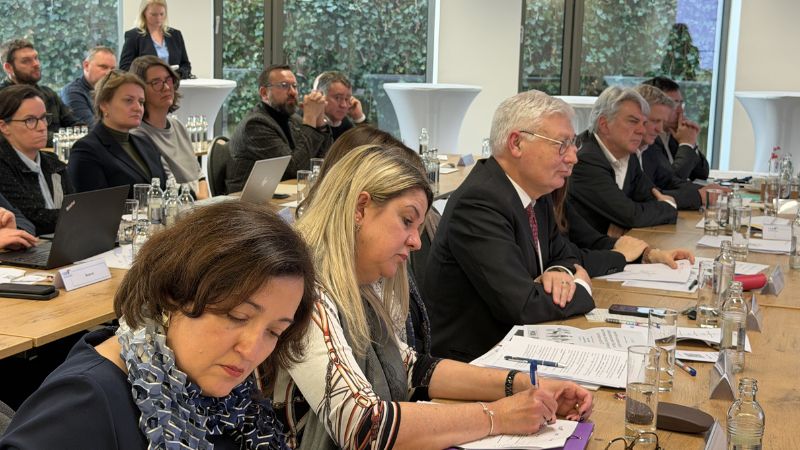
Addressing gender equality in the digital and AI era
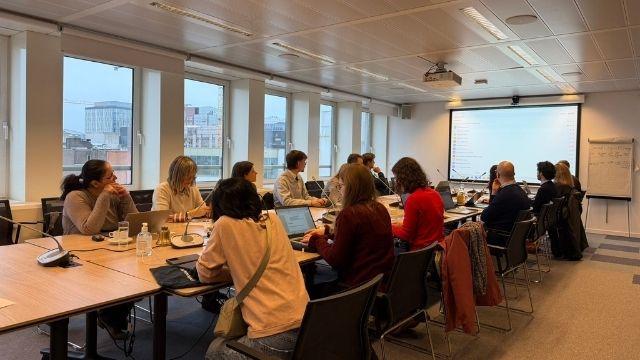
CESI@noon on affordable housing

Revision of EU Carcinogens Directive must consider health & safety for firefighters

From Nuremberg to Caracas: Reason, power and Europe’s choice

Europe’s Affordable Housing Plan: Essential for young workers and the EU at large

Conference on equality policies in Spain

Urgent call by European civil society to the European leaders and the leadership of the EU

The EU Green Deal and Automotive Package: Competitiveness alongside innovation
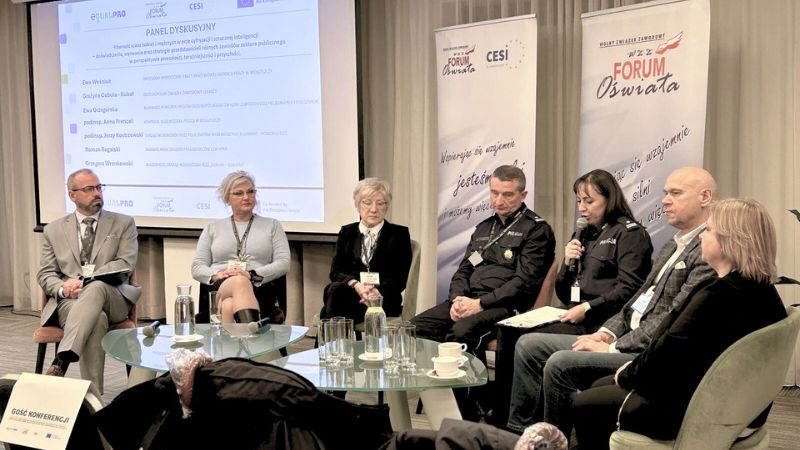
eQualPRO in Poland: Advancing gender equality in the digital age
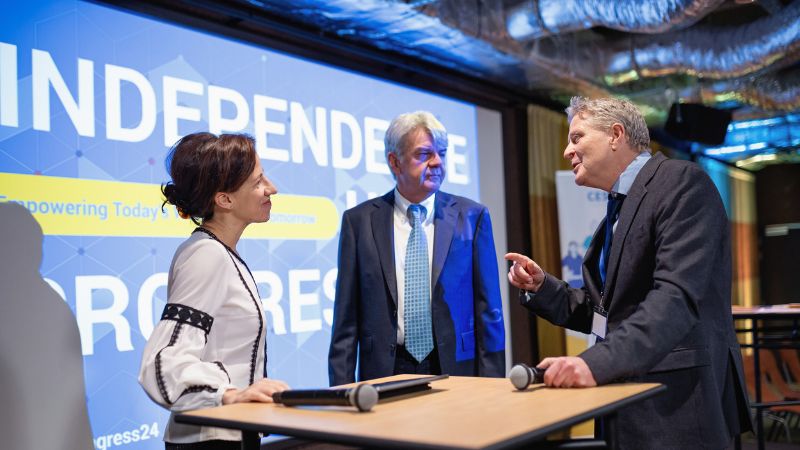
Quality Jobs Roadmap: Time to deliver
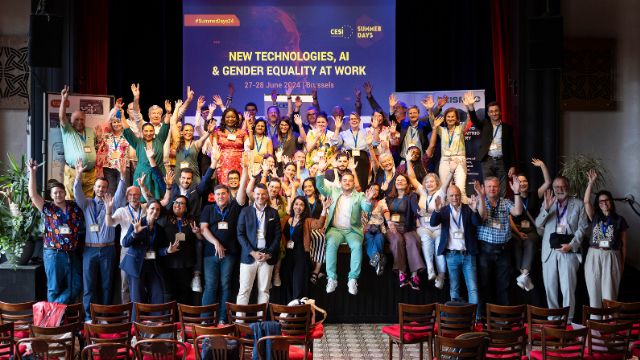
#eQualPROCampaign: Where is gender equality in the AI era?

New year, new leadership for CESI Youth

Spain: CSIF achieves pay rise and reforms

FISMIC-CONF.S.A.L. joins CESI

End violence against women!

Hearing on the application of the Working Time Directive (WTD) in the armed forces

Develop EU Military Mobility with military staff and workers
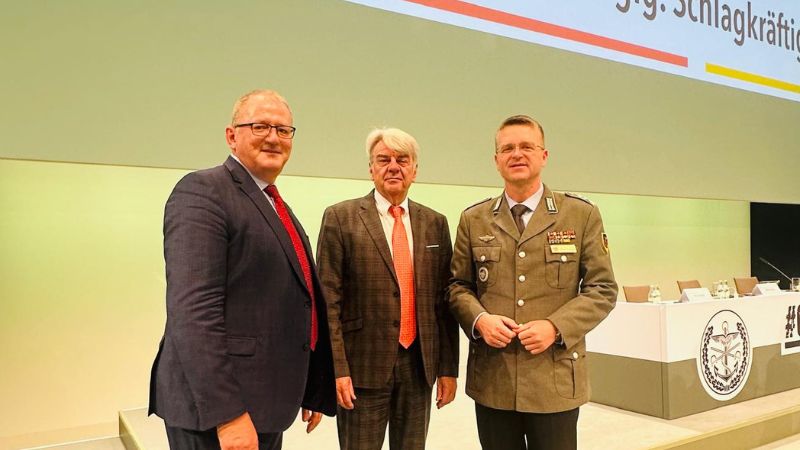
Romain Wolff at the DBwV General Assembly
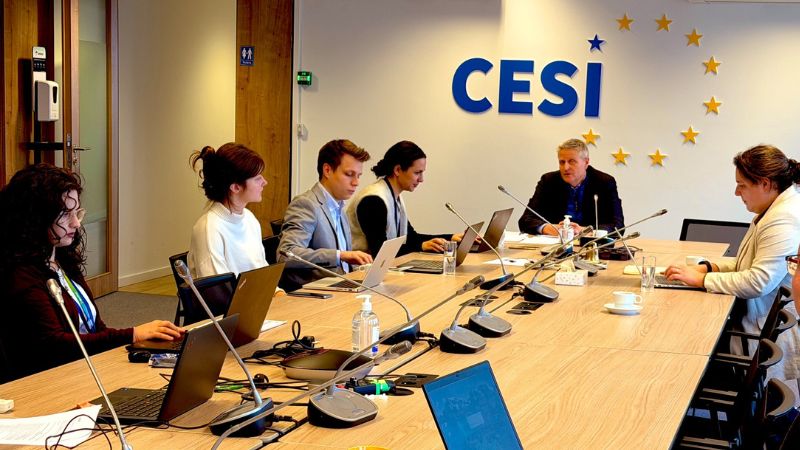
CESI@noon: Tackling health care workforce crises

A turning point: Why the CJEU’s minimum wages ruling matters

EU Equal Pay Day 2025: A long way to go

Towards equal opportunities in defence employment

Activer project closes with position on trade union priorities on active labour market policies

New position on AI at work

Minimum Wages Directive stands: A clear mandate for fair pay
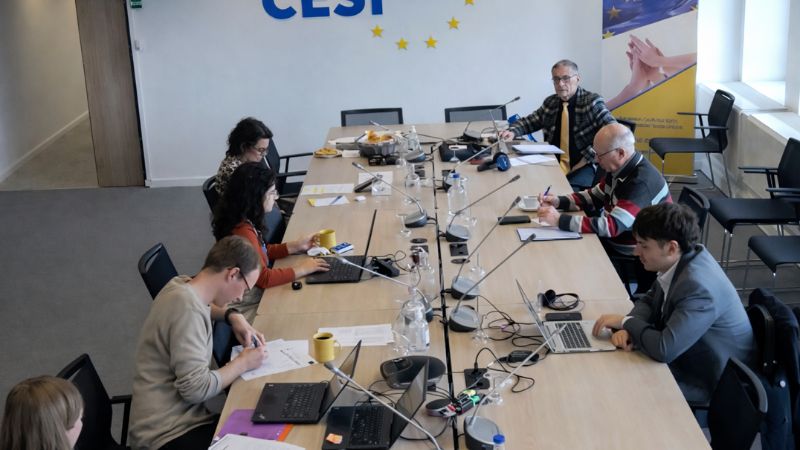
CESI Seniors hold constitutive meeting
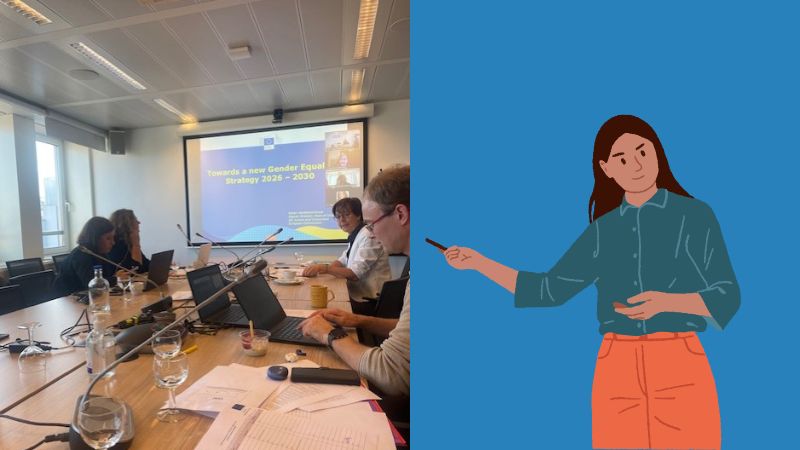
Employment and Women's Rights Commissions review EU gender equality and social policies
What do we do?
In order to complement the activities of its Trade councils and Commissions, CESI will in 2025 focus its work on the following priority areas:

Socially friendly climate change and green transition

Employment- and gender-friendly digital transition

Public health and social investments

Ensuring well-being and security in changing work environments
Latest news
Main news
Events
2026-10-15
2026-10-15
Trade unions demand better healthcare working conditions at Dialogue+ conference in Madrid
In Madrid, on 14 October 2026, the European Confederation of Independent Trade Unions (CESI), together with its Spanish member organisation SATSE, brought together trade union representatives and European stakeholders, including member of the European Parliament Alicia Homs and Eurofound, for a regional conference organised in the framework of the EU co-funded DIALOGUE+ project.



Videos
CESI videos

The Europe Academy is CESI’s internal training centre.
Each year, the CESI Europe Academy engages in usually two projects with financial support of the European Commission.
As a capacity-building instrument for trade unionists, these projects provide CESI’s members with the possibility to delve deeper into social, employment-related and political challenges in Europe and engage them in debates with policy-makers and international experts during dedicated seminars.
Get in touch
with us
Confédération Européenne des Syndicats Indépendants (CESI)
Contact form
Stay up to date
Don’t miss a thing and subscribe to our newsletter
Subscribe now and receive newsletters and much more!